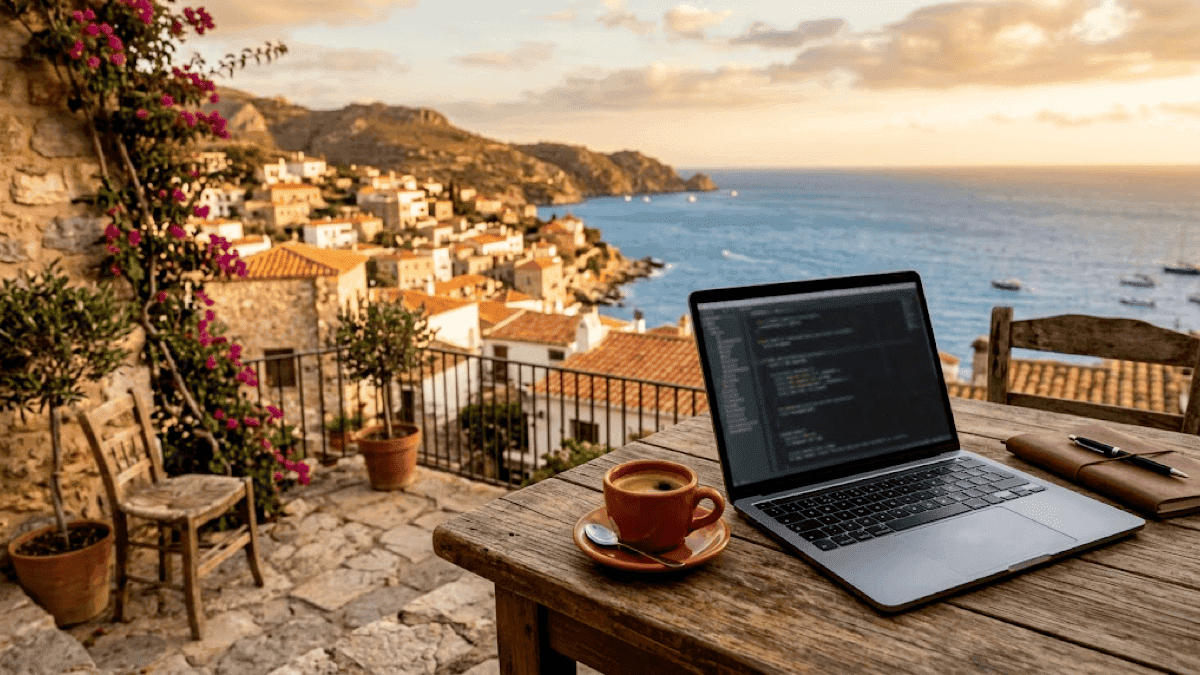
Imagine cutting your monthly living expenses by 30% or more while upgrading your daily commute from gridlock to a sun-drenched stroll. That's not a fantasy; it's the tangible reality for remote workers who strategically choose their base. While your former colleagues are still battling the morning rush, you could be sipping an espresso on a Mediterranean terrace, your laptop open, your workday just beginning. Or perhaps you're wrapping up a productive morning in a bustling Latin American café, planning an afternoon hike through ancient ruins, all while meeting a visa income threshold as low as $700 USD/month in some vibrant destinations.
But here’s the truth: not all paradises are created equal. Finding the best country for your remote work odyssey in 2026 isn't just about pretty beaches and cheap beer. It's about nailing that sweet spot where reliable internet meets a reasonable cost of living, where visa processes don't make you want to pull your hair out, and where the local culture actually enhances your productivity, rather than just distracting you. The good news? The proliferation of digital nomad visas in countries like Spain, Portugal, and Italy offers non-EU citizens legal avenues for extended stays, significantly simplifying the process and providing greater stability (visaguide.world, 2025). In fact, VisaGuide.World's Digital Nomad Index 2024 already ranks Spain as the top country for digital nomads, proving this isn't just theory.
We've crunched the numbers, sifted through the noise, and even endured a few dodgy Wi-Fi connections ourselves to bring you the definitive guide to the top countries that truly deliver for digital nomads in 2026. Forget the generic 'anywhere with Wi-Fi' advice—we're talking specific destinations that offer the infrastructure, community, and legal frameworks to make your remote work life not just sustainable, but downright enviable.
The Nomadomics Edge: What Makes a Country Truly Remote-Ready?
Before we dive into the juicy specifics, let's lay out our criteria. Because while your Instagram feed might prioritize aesthetics, your bank account and sanity demand a bit more rigor. We're looking for countries that hit the trifecta: legal ease, financial sense, and a lifestyle that doesn't just tolerate remote work, but actively celebrates it. As of 2025, these factors are non-negotiable:
Digital Nomad Visas: Your Legal Lifeline
The single biggest game-changer. These dedicated visas offer non-EU citizens legal avenues for extended stays, providing greater stability and peace of mind. No more visa runs, no more awkward explanations at immigration.
- Stability: Enjoy legitimate residency, not just a prolonged tourist stay.
- Access: Often simplifies opening bank accounts, getting local services.
- Peace of Mind: Work legally without the constant worry of overstaying.
- Long-Term Planning: Enables you to truly settle and integrate.
Cost of Living: Stretching Your Hard-Earned Cash
Can you live comfortably without constantly checking your bank balance? We're talking about stretching your dollars (or euros, or pesos) further, allowing you to save more or simply enjoy more experiences.
- Budget Freedom: More disposable income for experiences or savings.
- Reduced Stress: Less financial pressure means more focus on work and life.
- Value for Money: Get more for your rent, food, and entertainment.
- Investment Potential: Free up capital for personal or professional growth.
High-Speed Internet & Infrastructure: The Unsung Hero
This should be obvious, but it's often overlooked. What good is a cheap apartment if your video calls constantly drop? Reliable, fast internet is paramount for remote workers, ensuring productivity and connection.
- Uninterrupted Productivity: Smooth video calls, fast uploads/downloads.
- Reliable Connectivity: Essential for client communication and deadlines.
- Digital Comfort: Access to streaming, online services, and communication.
- Future-Proofing: Robust infrastructure supports evolving tech needs.
Safety & Stability: Work Without Worry
While a bit of adventure is great, constant worry isn't. We prioritize destinations where you can focus on your work and leisure without looking over your shoulder.
- Personal Security: Focus on your work and leisure without constant vigilance.
- Peace of Mind: Knowing you and your belongings are safe.
- Health & Well-being: Reduced stress from living in a secure environment.
- Community Trust: Easier to integrate and build local connections.
Community & Culture: Beyond the Laptop Screen
A thriving expat scene and welcoming local culture can make or break your experience. You want places where it's easy to connect, learn, and grow.
- Networking Opportunities: Connect with fellow nomads and local professionals.
- Cultural Immersion: Learn a new language, try new foods, experience local traditions.
- Social Support: Build friendships and a support system abroad.
- Personal Growth: Broaden your horizons and challenge your perspectives.
The Global Power Players: Top Countries for Digital Nomads in 2026
Alright, let's get down to business. Based on the latest data and our on-the-ground intel, these are the countries that are absolutely crushing it for remote workers in 2026. You'll notice some familiar faces and perhaps a few surprises, but all of them offer a compelling package for the discerning digital nomad.
Spain: The Mediterranean Dream with a Visa
Spain isn't just about tapas and siestas anymore; it's a bona fide digital nomad powerhouse. VisaGuide.World's Digital Nomad Index 2024 actually ranks Spain as the top country for digital nomads, a testament to its blend of vibrant culture, excellent infrastructure, and (crucially) its dedicated digital nomad visa. Forbes Advisor's 2024 analysis also highlights Spain as a leading destination, emphasizing its reasonable cost of living and good internet.
- Pros: Dedicated digital nomad visa (launched 2023), excellent internet speeds, diverse regions from bustling Barcelona to tranquil Canary Islands, rich cultural heritage, delicious food.
- Cons: Bureaucracy can be slow, English isn't as widely spoken outside major cities, income thresholds for the visa can be a hurdle for some.
- Ideal for: Those seeking a European base with a fantastic work-life balance and a desire to immerse themselves in a lively culture.
Portugal: Europe's OG Nomad Hub
Portugal has long been a darling of the digital nomad scene, and for good reason. It consistently ranks high in analyses like Forbes Advisor's 2024 report, which praises its blend of affordability, good internet, and favorable visa options. Cities like Lisbon, in particular, are increasingly attractive for digital nomads due to their combination of affordability, cultural richness, and improving digital infrastructure (Travel + Leisure, 2024). Plus, its high-speed internet consistently ranks well, proving that connectivity can outweigh slightly higher living costs for productivity (remote.com).
- Pros: D7/Digital Nomad Visa options, relatively low cost of living compared to Western Europe, incredible coastline, friendly locals, strong expat community, excellent internet.
- Cons: Housing in Lisbon and Porto can be competitive and pricey, bureaucracy can still be a challenge, rising popularity means more competition for resources.
- Ideal for: European-bound nomads looking for a relaxed pace, strong community, and a solid legal pathway to residency.
Colombia: Vibrant Culture, Incredible Value
If you're looking for a destination that offers serious bang for your buck without sacrificing culture or connectivity, Colombia should be on your radar. Forbes Advisor's 2024 analysis points to Colombia as a leading destination, and cities like Medellín are increasingly attractive for digital nomads due to their combination of affordability, cultural richness, and improving digital infrastructure (Travel + Leisure, 2024). It's a country that defies expectations, offering everything from Caribbean beaches to Andean mountains.
- Pros: Very low cost of living, warm and welcoming culture, diverse landscapes, good internet in major cities like Medellín and Bogotá, increasing safety.
- Cons: Safety concerns still exist in certain rural areas, Spanish proficiency is highly recommended, visa process can be less straightforward than dedicated DN visas elsewhere.
- Ideal for: Adventurous nomads seeking a vibrant Latin American experience and significant cost savings.
Mexico: North America's Accessible Gem
For North Americans, Mexico is often the first thought for remote work abroad, and for good reason. It's incredibly accessible, offers a rich cultural tapestry, and boasts a cost of living that makes a mockery of your rent back home. Forbes Advisor's 2024 analysis includes Mexico as a leading destination, highlighting its good internet and reasonable cost of living. From the culinary delights of Oaxaca to the digital nomad hub of Mexico City, there's a slice of Mexico for everyone.
- Pros: Easy access from the US/Canada, diverse climates and cultures, affordable living, delicious food, established expat communities, relatively straightforward visa options for extended stays (though not always a dedicated DN visa).
- Cons: Safety varies significantly by region, often requires visa runs for longer stays without specific residency, traffic in major cities can be intense.
- Ideal for: Those looking for an easy entry into international remote work, with a blend of familiarity and exoticism.
Malaysia: Southeast Asia's Underrated Star
While Thailand often hogs the Southeast Asian spotlight, Malaysia is quietly building its reputation as a top-tier digital nomad destination. VisaGuide.World's Digital Nomad Index 2024 ranks Malaysia highly, recognizing its strong internet infrastructure, relatively low cost of living, and growing appeal. With its stunning natural beauty, modern cities like Kuala Lumpur, and diverse culinary scene, it's a compelling choice.
- Pros: Excellent internet connectivity, diverse culture (Malay, Chinese, Indian influences), modern infrastructure, relatively low cost of living, good food, a dedicated DE Rantau Nomad Pass launched in 2022.
- Cons: Hot and humid climate, some regions are less developed for nomads, cultural differences can be significant.
- Ideal for: Nomads seeking a blend of Asian modernity and natural beauty, with a strong focus on connectivity.
Argentina: South America's Economic Escape
If you're looking to stretch your budget to its absolute limit without sacrificing an ounce of European charm, Argentina is calling. VisaGuide.World's Digital Nomad Index 2024 ranks Argentina as the second-best country for digital nomads, largely due to its incredibly favorable cost of living and vibrant cultural scene. The fluctuating economy, while challenging for locals, often translates to fantastic value for those earning in stronger currencies.
- Pros: Extremely low cost of living (especially for those earning USD/EUR), rich European-influenced culture, delicious food and wine, stunning natural landscapes (Patagonia!), growing digital nomad visa program.
- Cons: Economic instability can be unpredictable, high inflation, Spanish is essential, long travel times from North America/Europe.
- Ideal for: Budget-conscious nomads who appreciate culture, food, and a vibrant city like Buenos Aires, ready to embrace a bit of economic adventure.
Estonia: The Digital Frontier
Don't let the Baltic chill fool you; Estonia is a trailblazer in digital governance and connectivity. While it might not be your first thought for a sun-drenched escape, it's consistently ranked high for its internet infrastructure (remote.com). Its e-Residency program and dedicated Digital Nomad Visa make it incredibly easy to set up shop legally, providing a level of administrative ease that most countries can only dream of.
- Pros: Pioneering Digital Nomad Visa, incredibly efficient e-governance, high-speed internet, strong startup culture, beautiful medieval capital (Tallinn).
- Cons: Higher cost of living than Southeast Asia or Latin America, cold winters, smaller expat community compared to traditional hubs, less "vacation" vibe.
- Ideal for: Tech-focused nomads, entrepreneurs, and those who prioritize administrative simplicity and cutting-edge digital infrastructure.
Navigating the Visa Maze: Your Golden Ticket to Extended Stays
Let's be real: the biggest headache for any aspiring digital nomad used to be the visa situation. But as of 2026, that's largely a problem of the past. The proliferation of digital nomad visas in countries like Spain, Portugal, and Italy offers non-EU citizens legal avenues for extended stays, significantly simplifying the process of working remotely abroad and providing greater stability (visaguide.world, 2025). This isn't just about avoiding visa runs; it's about legitimate residency, access to services, and peace of mind. Here's a quick look at how some of the top contenders stack up:
| Country | Digital Nomad Visa Status (2025) | Key Requirements (Approx.) | Processing Time (Approx.) |
|---|---|---|---|
| Spain | Active | €2,100-€2,800/month income, criminal record check, health insurance | 15-20 days |
| Portugal | Active (D8 Visa) | €3,040/month income (for family), criminal record check, health insurance | 30-60 days |
| Colombia | Active | 3x minimum wage (~$700-800 USD/month), criminal record check, health insurance | 30 days |
| Malaysia | Active (DE Rantau) | $24,000 USD/year income, criminal record check, health insurance | 4-6 weeks |
| Argentina | Active | ~$1,500 USD/month income, criminal record check, health insurance | 2-4 weeks |
| Estonia | Active | €3,500/month income, criminal record check, health insurance | 15-30 days |
Note: Requirements and processing times are subject to change. Always check official government sources for the most up-to-date information.
The Cold Hard Numbers: Cost vs. Connectivity
While the allure of a $5 meal in Southeast Asia is undeniable, a slow internet connection can cost you far more in lost productivity and missed deadlines. This is where the pragmatic nomad makes their move. Reliable high-speed internet and robust digital infrastructure are paramount for remote workers, with countries like Estonia and Portugal consistently ranking high for their connectivity. This connectivity can often outweigh slightly higher living costs for productivity (remote.com).
Let's compare some estimated monthly living costs for a single person, excluding major travel, as of early 2025:
| Country | Estimated Monthly Living Cost (USD) | Average Internet Speed (Mbps, Download) | Nomad-Friendly Cities |
|---|---|---|---|
| Spain | $1,800 - $2,500 | 150-200 | Barcelona, Valencia, Las Palmas |
| Portugal | $1,500 - $2,200 | 100-180 | Lisbon, Porto, Madeira |
| Colombia | $700 - $1,200 | 50-100 | Medellín, Bogotá, Cartagena |
| Mexico | $800 - $1,500 | 80-150 | Mexico City, Oaxaca, Playa del Carmen |
| Malaysia | $900 - $1,500 | 80-120 | Kuala Lumpur, Penang |
| Argentina | $600 - $1,000 | 50-100 | Buenos Aires, Córdoba |
| Estonia | $1,800 - $2,500 | 100-150 | Tallinn, Tartu |
These are estimates and can vary wildly based on lifestyle, city, and accommodation choices. Always do your own research for specific locations.
Smart Money Moves for Your Nomad Life
Once you've picked your paradise, don't let traditional banks stick their fat middle finger in your wallet with exorbitant international transfer fees and terrible exchange rates. This is where tools like Wise (formerly TransferWise) and Revolut become your best friends. They're designed for the globally-minded, allowing you to hold multiple currencies, send money cheaply, and spend like a local without getting fleeced by "The Man" (i.e., your old bank).
Multi-Currency Accounts: Ditch the Conversion Fees
- Hold balances in euros, pesos, ringgit, and more.
- Avoid conversion fees when spending or receiving payments in local currencies.
- Seamlessly switch between currencies as needed.
- Simplify international financial management.
Low-Fee Transfers: Send Money Smarter
- Send money to your landlord or local service providers at the real exchange rate, with minimal fees.
- Avoid the hidden markups of traditional banks.
- Faster transfer times compared to conventional methods.
- Track your transfers every step of the way.
International Debit Cards: Spend Like a Local
- Spend directly from your multi-currency balances.
- Often includes fee-free ATM withdrawals up to a certain limit.
- Accepted globally, making everyday purchases easy.
- Enhanced security features for international travel.
Budget Tracking: Keep Your Finances in Check
- Many of these apps offer built-in tools to help you keep tabs on your spending across different currencies.
- Know exactly where your money is going, in real-time.
- Categorize expenses for better financial insights.
- Set spending limits and receive alerts.
Bottom Line
In 2026, the world truly is your oyster—provided you know which oyster to shuck. The key to successful remote work abroad isn't just picking a pretty spot; it's about strategic planning around visas, cost of living, and, crucially, reliable internet. Don't let your dream of location independence be derailed by poor planning or outdated information. Embrace the digital nomad lifestyle with confidence, armed with the knowledge of where to go and how to make your money work as hard as you do.
- Visas are King: Prioritize countries with dedicated digital nomad visas for stability and legal residency.
- Balance Cost & Connectivity: Cheap living is great, but not at the expense of internet speed. Productivity pays more than a few saved bucks.
- Research Specific Cities: Each country offers diverse experiences; drill down into cities that match your lifestyle and work needs.
- Smart Money Tools: Ditch traditional banks for multi-currency platforms like Wise or Revolut to save big on international transactions.
- Embrace the Journey: The "best" country is ultimately the one that best suits your unique needs and aspirations. Now stop reading and go book that flight.
FAQ
How much money do I need to be a digital nomad in 2026?
This varies wildly by country and lifestyle. As a general rule, you'll need enough to cover the visa's minimum income requirement (often between $700-$3,500 USD/month, as seen in 2025 visa requirements) plus a buffer for initial setup costs and emergencies. Always aim for at least 2-3 months of living expenses saved up before you go.
Is a digital nomad visa really necessary?
While some nomads still rely on tourist visas and visa runs, a dedicated digital nomad visa offers immense benefits in 2026. It provides legal residency, often allows for easier access to local services (like opening a bank account), and removes the stress and uncertainty of overstaying or working illegally. It's highly recommended for anyone planning an extended stay.
What about taxes as a digital nomad?
Ah, the taxman—he's always lurking! This is a complex area. Generally, you'll need to understand both your home country's tax obligations and the tax implications in your host country. Many digital nomad visas come with tax incentives or specific rules for remote workers. It's crucial to consult with a tax professional specializing in international taxation to avoid double taxation or, worse, legal trouble. Don't mess with the IRS or local tax authorities; they don't have a sense of humor about it.